Event Reports
2026.1.28
Report on the "Talk Event: A Personal Future Visible Through My Experience of School Refusal"
In November 2025, an event for parents of elementary and junior high school students, "Parents' Forum for Supporting Children Who Refuse to Go to School," was held. This report will cover the event in three parts. The event consisted of four programs: a seminar by experts, a talk event by experienced parents, a networking event for parents, and individual consultations with counselors with experience in supporting children who refuse to go to school. In the first part, we will introduce the stories of three people who had experience with school refusal, who took the stage at the talk event held at Tokyo Tama Mirai Messe (Hachioji City) on Saturday, November 15th. Each person spoke about their own experiences and their thoughts at the time.
Speaker introduction
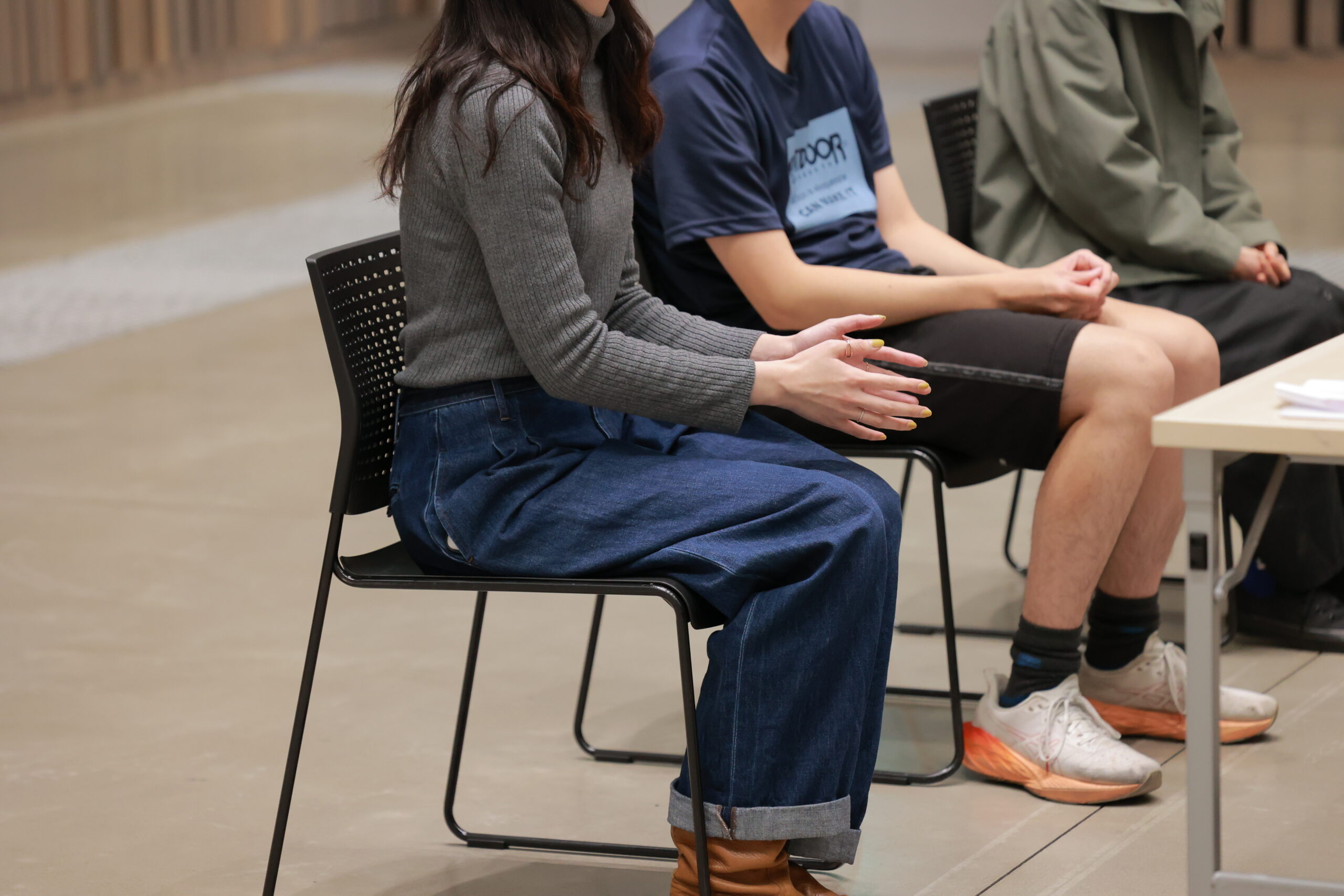
*The images in this report are of the performers from the neck down, and are taken to protect their privacy and at their request, so their faces are not visible.

Due to the change in his environment caused by transferring to a school with intense academic competition, he stopped going to school from the sixth grade of elementary school until the third grade of junior high school.
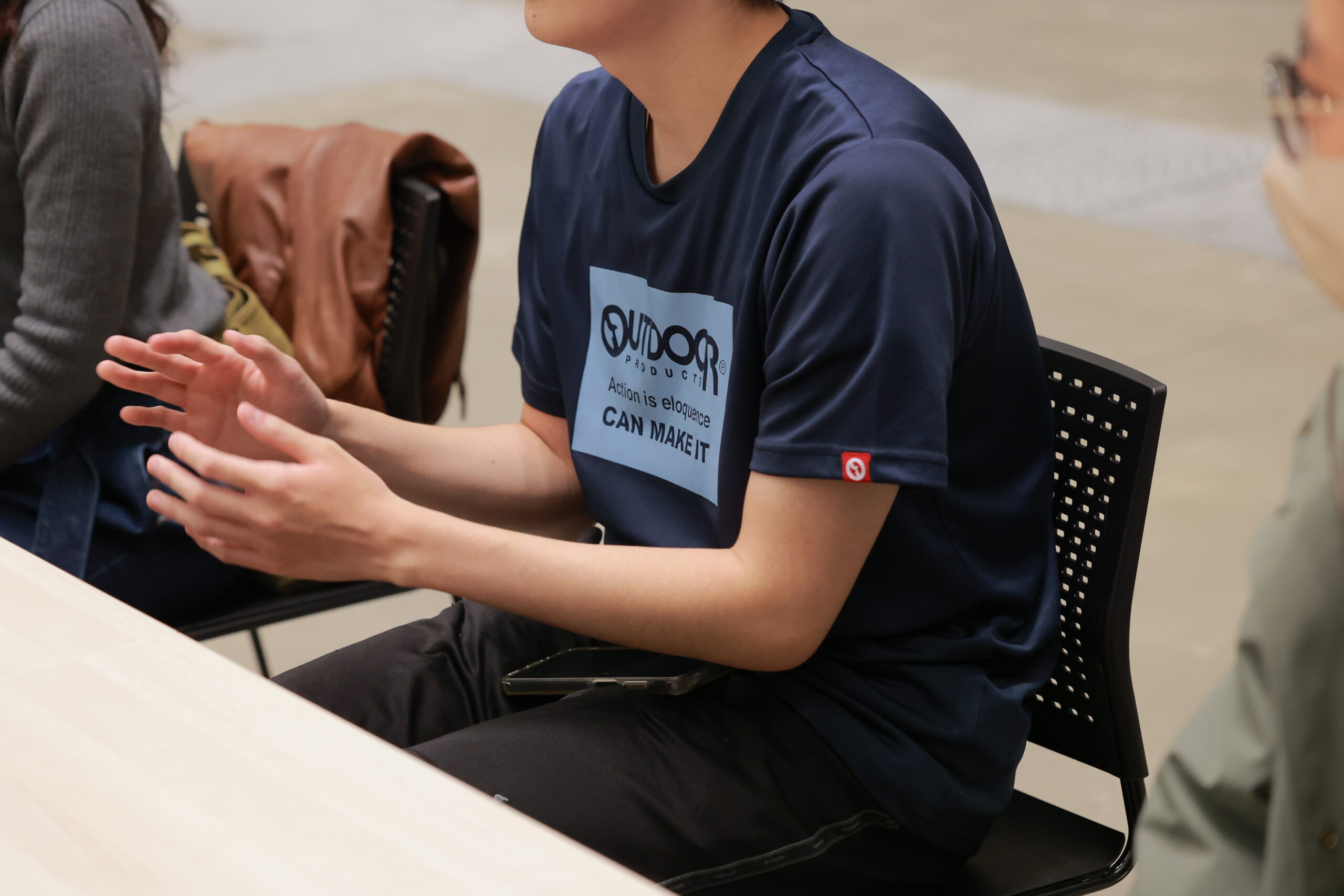
Due to various factors, including not understanding the meaning of studying, being bullied, and not getting along with his homeroom teacher, he skipped school from his first year of junior high school until he entered high school.
Due to being separated from his friends due to transferring schools and class changes, and not getting along with his new teachers, he suddenly became unable to go to school and was absent from school from the third to fourth grade of elementary school.
What was your relationship with your family like?
Mr. A : I think my parents were worried about my future career path. At first, they forced me to wear clothes and dragged me to school. But as I talked with outside people, such as the school counselor, they started telling me, "You're fine just the way you are." I was very grateful for that. They were basically passive, but they also made time to talk, which was helpful.
Mr. B : I'm grateful to my mother. While I was absent from school, she created an environment where I could play my favorite games all the time. At the same time, she taught me the importance of living a regular life every day, which was very helpful in helping me recover from not attending school.
At that time, I had grown fed up with my teachers and the adults around me, thinking that "no matter what I do, adults never change," so even as a child I felt that my mother was changing and acting for my sake, and I respected her for that, even though she was going to parents' meetings for children who were not attending school and reading various books.
I found out later that they had been worried about me because I was skipping school and playing games all the time, but at a parent-teacher meeting, they heard other parents say, "Maybe it's okay to just leave him alone," and they incorporated that advice and created an environment where he could do just that.
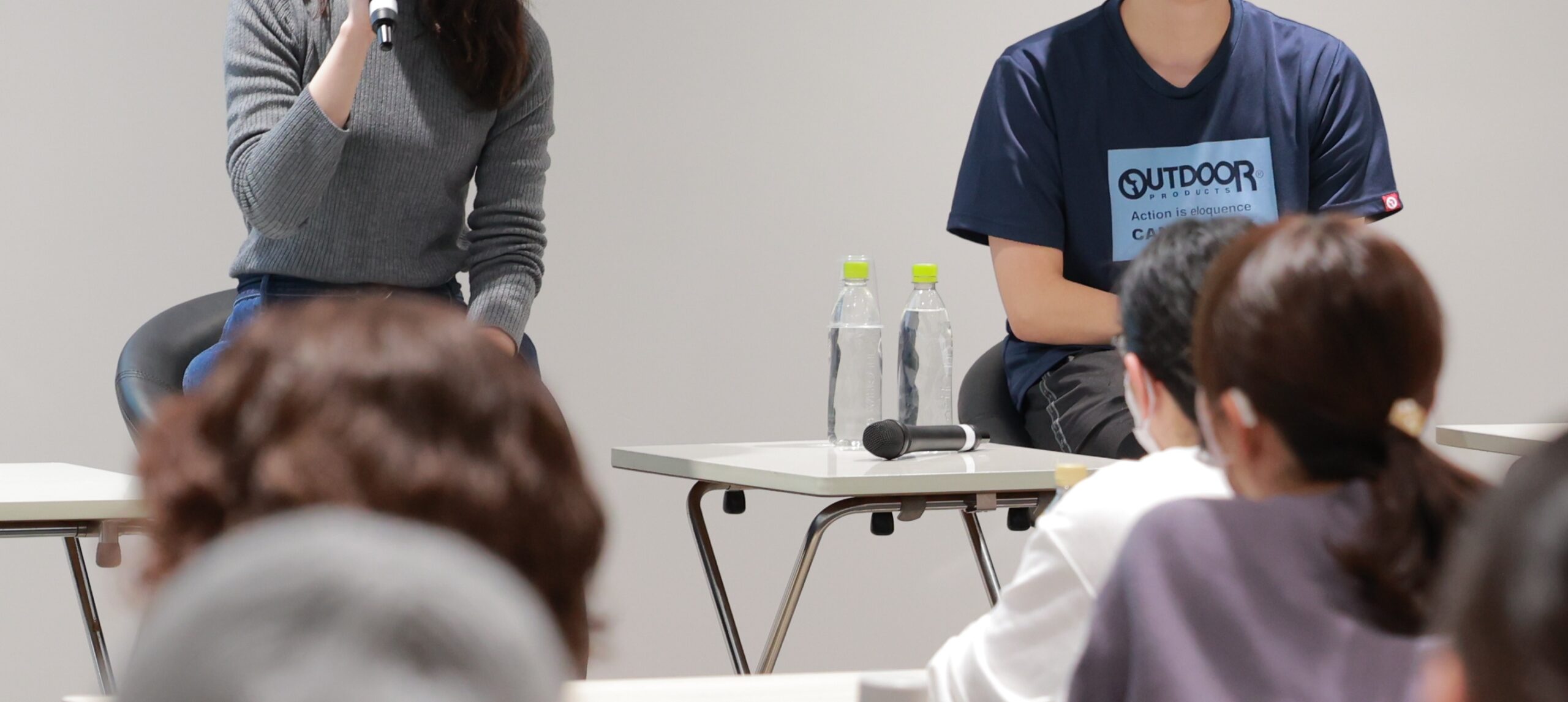
Mr. C : Even when I stopped going to school, my mother never told me to go, so I was really grateful for that. When I started attending a free school, she was always there to pick me up and drop me off, even though it was a 40-minute drive and an hour by train, until I was able to go by myself, which was a great help.
At the time, I loved reading, and when I wanted to read a correspondence course booklet, there was a rule that said, "You can't open a new one unless you've finished the previous month's issue." Looking back now, I think that this rule helped me keep up with my studies.
Apparently, my paternal grandmother said to me at the time, "If your mother can't take you, I'll take you (to school)," but my mother blocked her out so that I wouldn't hear about it. I found out later, and I'm really grateful for that.
Please tell us what you have realized and how you have grown through your experience of not attending school.
Mr. A : I was no longer able to do something I had taken for granted, like going to school, and becoming a minority made me start thinking about what it meant to be "normal." When I joined local volunteer groups and international exchange events and was with people of different ages and backgrounds, I felt comfortable and didn't have to worry about our differences. From there, I became interested in minority issues, and now I continue to research the environment in which children and young people grow up, such as providing support for safe spaces, in graduate school.
I also became interested in English conversation through my hobby of watching foreign movies, and started attending English conversation classes. I was able to spend a lot of time studying my favorite language, English, and I became good at it. This gave me confidence, which I was able to use when I went on to higher education.
In the future, I am thinking about my research in graduate school and finding a job where I can use my English, which I am good at. I am a bit anxious, but having overcome the hardship of not going to school, I think I can take a more optimistic view.
Mr. B : I think that gaming has helped me develop logical thinking and self-analysis. The experience of continuing to play a difficult and challenging game until I completed it gave me the opportunity to think about how to bounce back from failure, how to maintain my mental strength, and the importance of perseverance, and it made me want to try new things without being afraid of failure.
Also, as I became immersed in games, I began to vaguely think about what I needed in my future life, and I came to the conclusion that I needed a stable income to play games, and I realized that in order to earn money, I needed to communicate with the outside world.
I decided to go to school not to study, but to improve my communication skills with others, which led me to enroll in high school.
After entering high school, I gained confidence in meeting people, and I consciously increased my outgoing activities, such as participating in game tournaments, volunteering as tournament staff, and working part-time, and I began to want to interact with a diverse range of people.
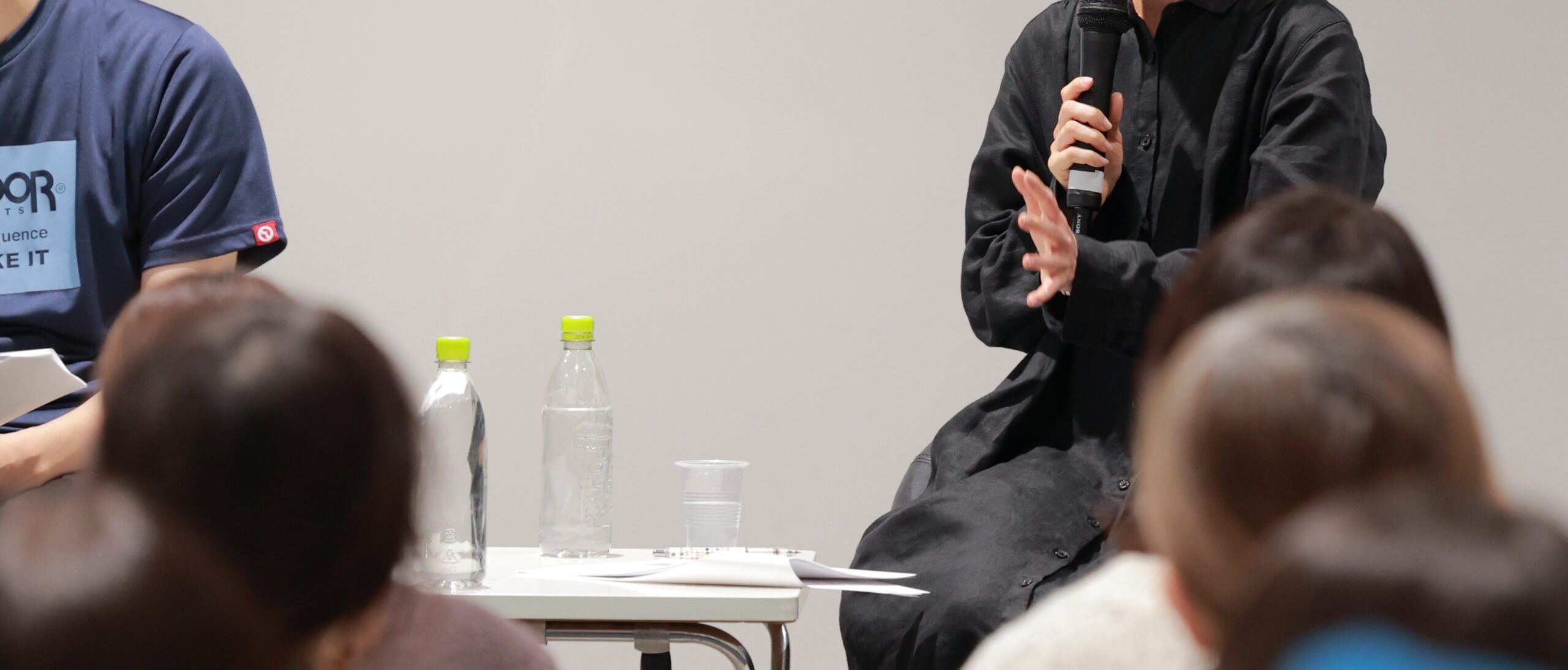
Mr. C : Right after I started skipping school, I felt guilty, and when I passed a police car, I would hide out of fear that I might get caught. But after interacting with the students who attended the free school, I realized that what is "normal" or what the "majority" thinks is not always right.
Even if my mental health is tested again in the future, I believe I can manage it because of the experience I gained from not attending school in elementary school. If it can lead to such realizations, then I don't think my experience of not attending school was so bad. There are times when I wonder what to do, but I want to find my own path forward.
Message to our readers
We spoke with him after the talk event and he gave us a message for our readers.
Mr. A : If you only focus on not being able to go to school, it's difficult to move forward, but I think in order to move forward, it's important to reexamine the things that are taken for granted.
Mr. B : I want to tell people that if you find people who have the same hobbies or things in common with you, communicate with them, and increase your connections with others, you will feel more stable mentally and your life will become more interesting. For people who feel that they are not good at communicating, I would especially recommend joining a group for the hobby or game that you are most passionate about, or a community with similar values.
Mr. C : You may feel like you can't think about the future right now, but that's okay. It's all about accumulating short blocks of time every day. I've recently started to wonder what it will be like for me when I'm 50 years old.
You can view the details of the day by applying via the link below.
There are many stories that we were unable to cover in this report, so please read the full article.
Last updated 2026.2.12