Event Reports
2026.3.30
Report on the Seminar: Creating a Safe and Secure Space for Parents and Children Through Communication and Self-Care
In November 2025, an event titled "A Gathering Place for Parents Supporting Children Who Are Not Attending School" was held for parents of elementary and junior high school students. This report will cover the event in three parts.
The event consists of four programs: a "seminar" by experts, a "talk event" by those with experience, a "participant exchange meeting" for parents, and "individual consultation sessions" with counselors who have experience supporting children who refuse to go to school. In this second installment, we will present the content of the lecture given by Professor Rie Fukui of Tokyo Gakugei University, who spoke at the "seminar," as well as an interview conducted after the lecture.
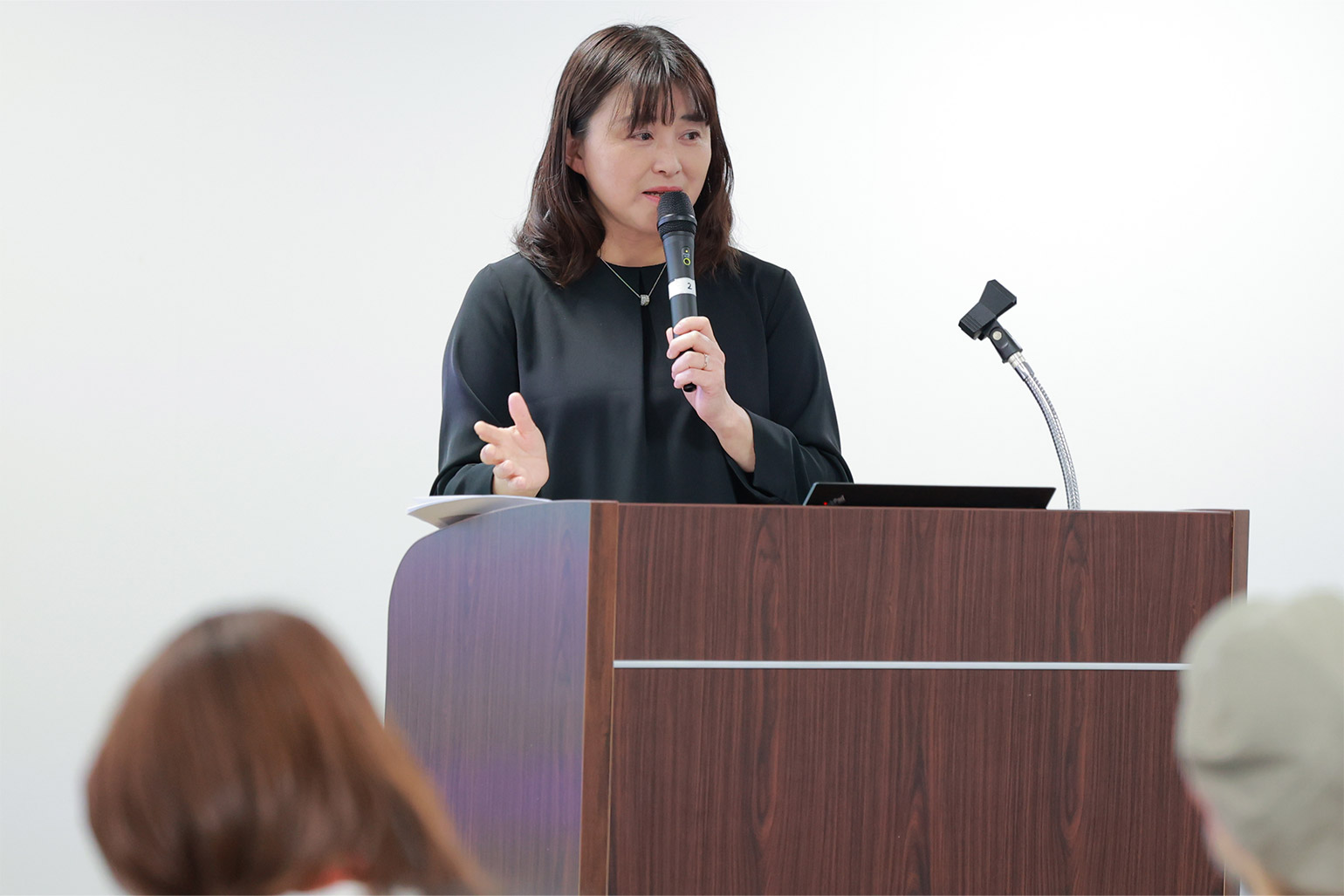
The seminar's theme is "Communication and Self-Care to Create a 'Safe Haven' for Parents and Children."
We learned about ways to interact with children while respecting their feelings, such as how to choose words, maintain appropriate distance, establish a daily routine, and recognize when they are asking for help, as well as ways to cope when parents themselves are going through a tough time, and how to avoid overexerting themselves.
When a child stops going to school, how should parents cope?
School refusal is thought to occur as a protective reaction when a child experiences emotional pain or a decrease in emotional energy for various reasons. There are many possible responses, but one of them is to devise ways to interact with the child in a way that makes them feel safe and secure.
When a child is struggling with school refusal, both the child and the parents tend to become overwhelmed by the issue. However, just because a child isn't attending school doesn't mean their entire world is consumed by that issue. It's important to focus not only on the child's difficulties, but also on their efforts, strengths, and interests—the healthy aspects of their personality.
One helpful tip for interacting with children is the "Manju Theory." It compares pain and suffering to the "anko" (sweet bean paste filling) and things you like or are working hard at to the "skin," likening them to a manju. When you're troubled, your attention tends to focus on the "anko," but there are also many "skin" parts. If you look not only at the "anko" but also at the "skin," and find many small pieces of skin, the whole manju will become plump and big. At this point, the proportion of "anko" in your heart will relatively decrease, and a sense of security and hope will emerge.
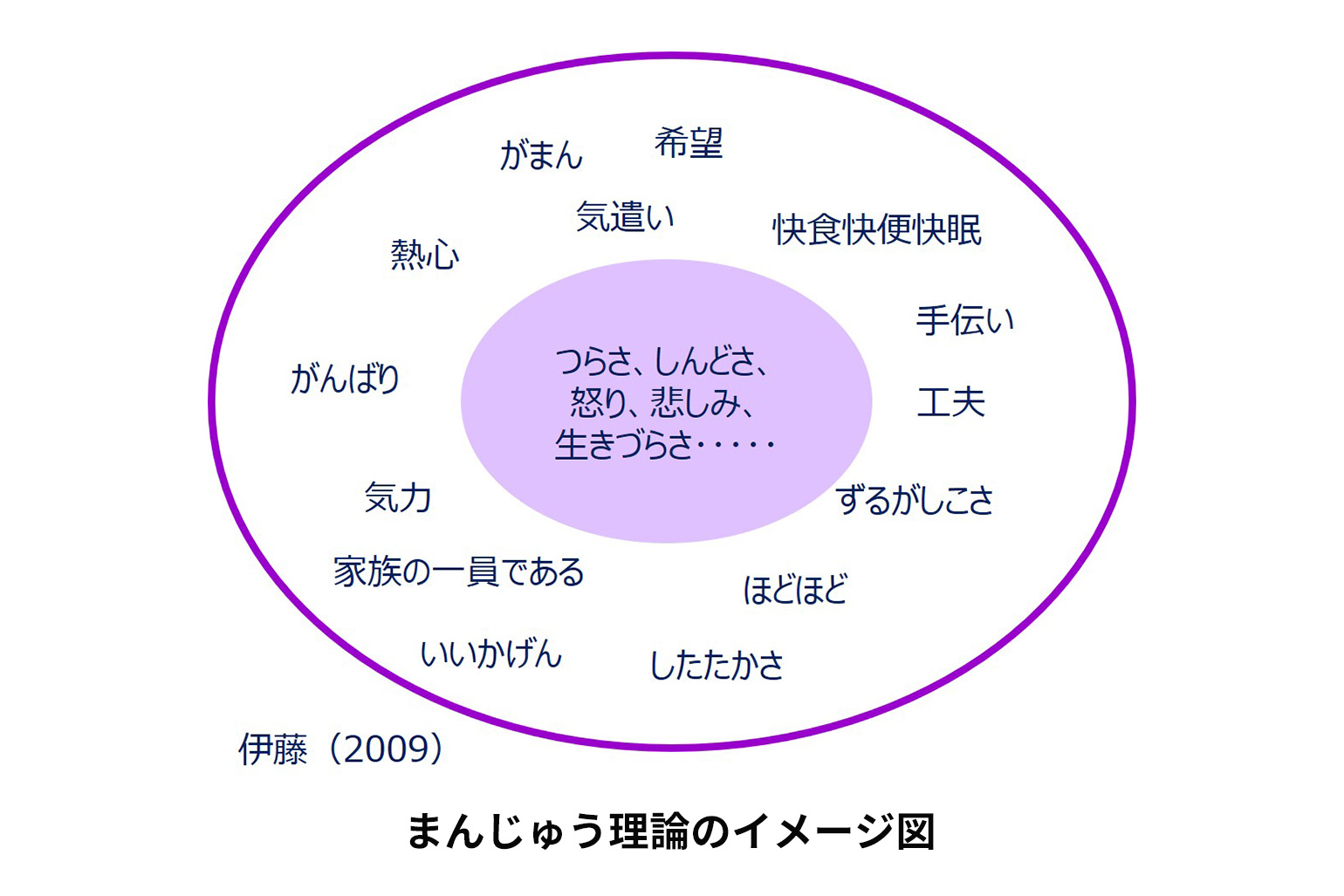
Is it possible to reduce the size of the "anko" itself?
The "anko" part represents the hardships of life, so it's difficult to directly reduce them. However, when you can talk about "anko" with peace of mind, even if the size doesn't change, the color of the suffering becomes less intense, and the weight of it becomes lighter.
However, it might be difficult for a child to talk about what they're worried about or what's making them unhappy if you suddenly ask them about "anko" (red bean paste). This is because they might not be able to find the right words to express their feelings, or they might be anxious about what others will think if they talk about it.
In such situations, first, try to spend some quiet time with your child, even if it's just for a short while. Any way of spending time is fine as long as it helps your child relax and ease their tension. And acknowledge the "outer" parts of your child—their wonderful qualities and the things they're working hard at. When they feel that they are being seen and acknowledged for who they are, not just the "inner" parts, they will feel a sense of security and will gradually be able to talk about the difficult and sad things that are happening to them.
Even if they can't tell you everything at once, it's good to listen carefully to what they say, and then look for more "skin" to expand on it. By going back and forth between the "skin" and the "filling," you can gradually listen to the voice of your child's heart.
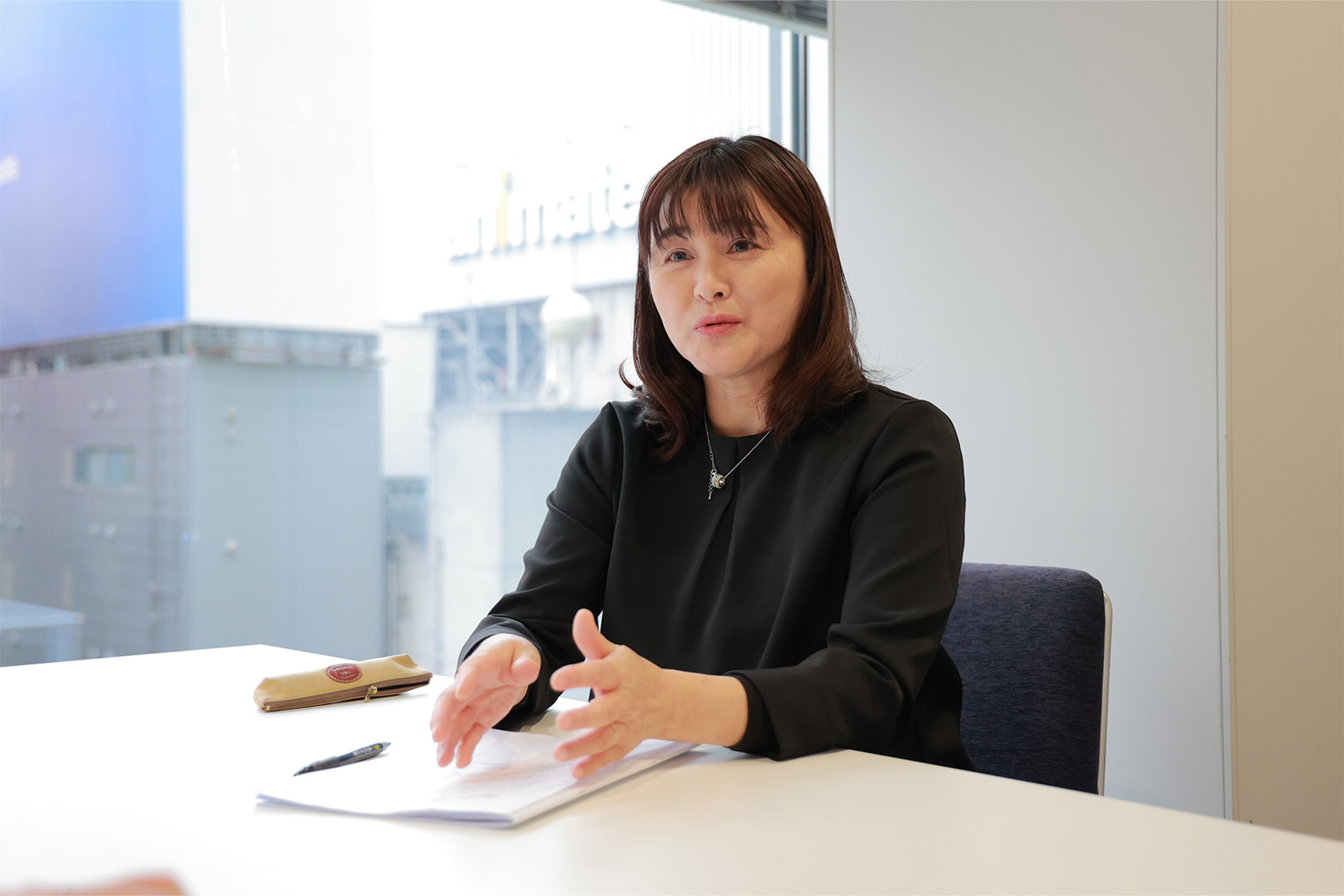
How should I approach my child's craving for "anko" (sweet bean paste)?
Anko is experiencing painful emotions, so it must be difficult for adults to hear them. With good intentions, you might be tempted to say things like, "You don't have to think that way," or "Why don't you try this instead?" But it's important to put aside such persuasion and advice for a moment and simply acknowledge Anko's feelings and be there for her, saying things like, "That must be tough," or "That must be frustrating."
There are three benefits for a child when their "anko" (sweet bean paste) is acknowledged. The first is that it alleviates the emotional confusion itself. When a child is told, "That must have been tough," or "That must have been painful," they feel understood and can find relief.
The second benefit is that it leads to self-esteem and self-confidence. "Anko" is an important part of the child themselves. Even if the feelings are "painful" or "difficult," having them acknowledged allows them to think, "It's natural to feel this way in this situation," and "I'm not wrong," which builds confidence.
The third effect is that it becomes a force for change. Receiving recognition becomes the energy to overcome difficulties and grow.
Children often find it difficult to put their cries for help into words. How can we recognize these signs?
One of the strengths of being a parent, who shares your child's daily life, is that you are more likely to notice their physical signs. These include not sleeping well/sleeping too much, having no appetite/eating excessively, feeling tense, having a gloomy expression, or being lethargic. Unusual behavior is also a sign. For example, a child who is usually talkative might be quiet, or they might be unusually cheerful. It's good to be able to pick up on these small changes.
Another important aspect is being mindful of the "spaces" between words in order to listen to voices that haven't yet been spoken.
In the pace of everyday conversation, it's difficult to create that kind of space, but when a child starts to speak, try waiting a breath or two even if there's a pause. Giving them plenty of time to pause might encourage them to say what they're going to say next.
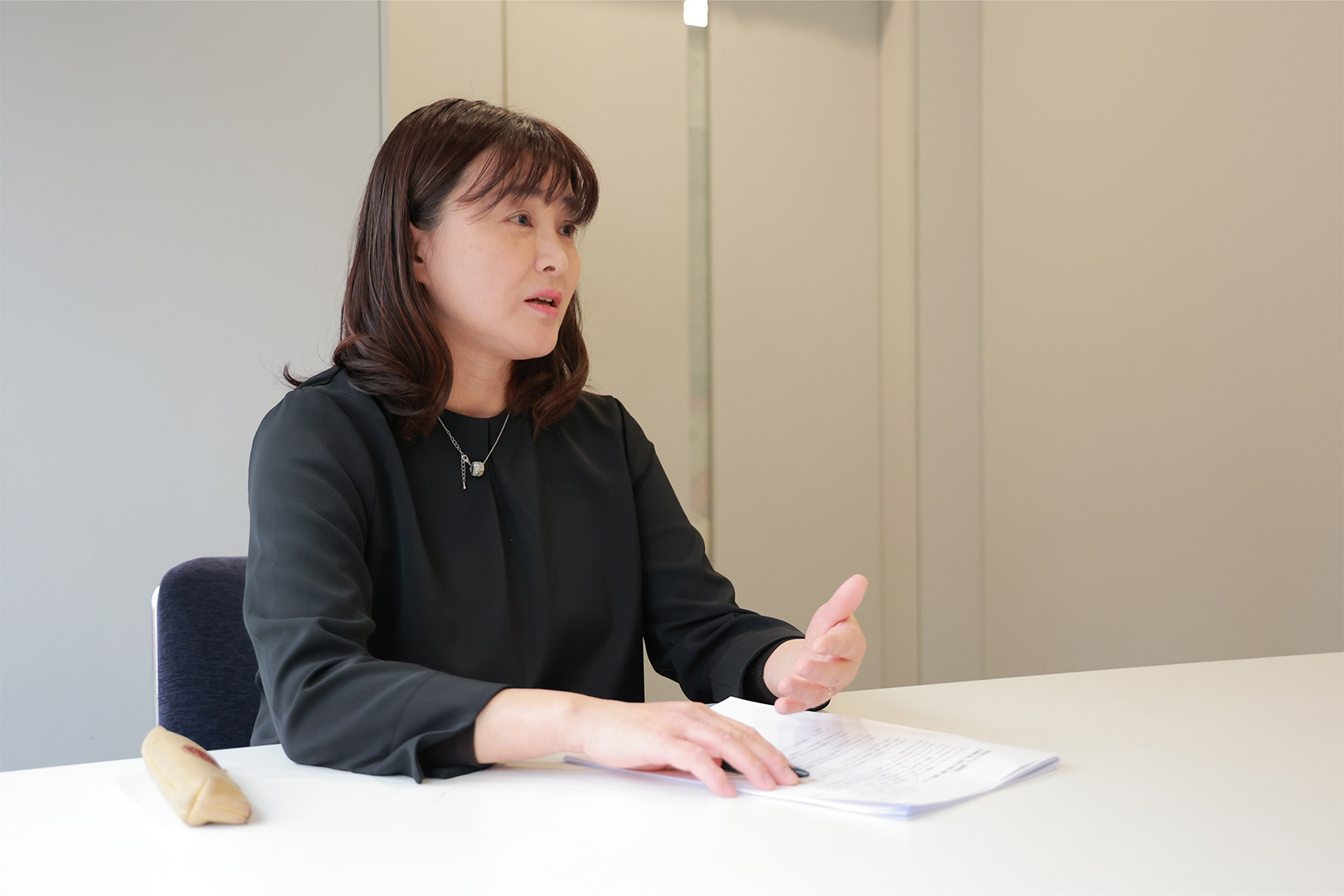
Parents themselves can get exhausted, can't they? What can they do in their daily lives?
While caring for your child is very important, taking care of your own well-being, fatigue, and stress levels is even more crucial.
Take a moment to pause and pay attention to your own physical and mental sensations. Are you sleeping well? How is your appetite? Are there any areas of tension? What kind of difficult emotions or worries are you experiencing? Just noticing and observing your own discomfort can help you take a step back and avoid being overwhelmed by it. Then, try to gradually relax your mind and body by taking slow, deep breaths, stretching your stiff neck and shoulders, gently acknowledging your emotions and worries, having even a short time to yourself, or incorporating other relaxation techniques you usually use.
It's only natural that parents should take time to relax and smile more often, as this can be beneficial for their children. Please take good care of yourself.
Please provide a message for the parents/guardians.
Parents facing the situation of their child refusing to go to school have undoubtedly already made countless efforts and used various strategies. For example, even if there doesn't seem to be any major change in your child, noticing the small changes happening day by day is a testament to the power of consistent effort. For parents, it's also important to heal their own "inner self" and gradually find their "outer self." When this is difficult to do alone, sharing that difficulty with someone and realizing "I'm not alone" can give you courage. Please don't blame yourself, be kind to yourself, and gather the energy to take a new step forward.
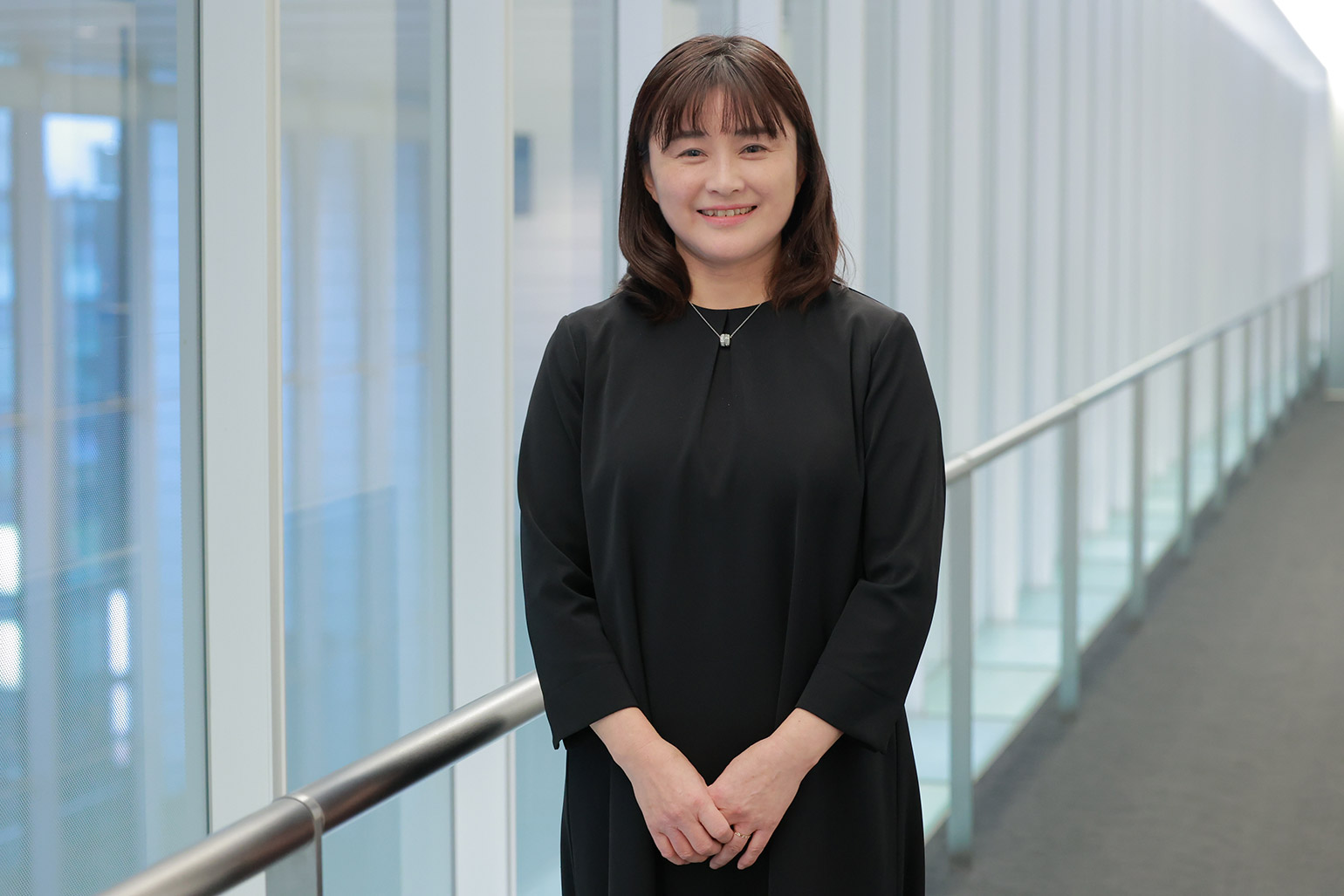
You can view footage of the event for free by registering via the link below.
There are many stories that we were unable to cover in this report, so please read the full article.