Columns
2026.3.30
What exactly is the "first-grade problem"?
A survey on the reality of the increasing number of young children who are absent from school reveals the "real voices" of these children.

table of contents
The age at which students become truant is getting younger.
When a child who has just started school says, "I don't want to go to school," it fills the parents with great anxiety. "Have I raised them wrong?" "Is my child weak?"
Many people end up blaming themselves for this.
In fact, according to the Ministry of Education, Culture, Sports, Science and Technology's "Survey Results on Problematic Behavior, School Absenteeism, and Other Issues Related to Student Guidance," the number of first-grade elementary school students absent from school in Tokyo has increased sharply by approximately 3.3 times in the last five years.
This is not just a problem for a specific family, but a major issue that society as a whole should consider.
To clarify this situation, the Tokyo Metropolitan Government randomly selected elementary school students in grades 1, 3, and 6 residing in Tokyo, regardless of whether they were absent from school, and their guardians (3,000 households each), and conducted a questionnaire survey.
Furthermore, we conducted interviews with children and support staff (such as educational counselors) at educational support centers, schools offering diverse learning options, and free schools.
In this survey, we categorized children who were not attending school or showed reluctance to attend school as having a "tendency towards school absenteeism," and other children as having a "tendency towards non-school absenteeism." By comparing the responses from these children, we analyzed the factors contributing to the decreasing age of school absenteeism.
What emerged from that was a surprising truth about what children are facing.
Why are there more first-year students saying "I don't want to go"?
The survey revealed that there are differences in the reasons for truancy and reluctance to attend school between lower grades (especially first grade) and upper grades (sixth grade).
In the upper grades, the main concerns are interpersonal relationships, such as "friendships" and "compatibility with teachers."
However, among first-year students, the most common causes were "anxiety about adapting to a new environment" and "separation anxiety (anxiety about being separated from parents)."
Children, having spent their time in kindergarten or daycare center primarily through play, need to adapt to a different set of rules (systems) upon entering elementary school, such as "sitting still for 45 minutes," "constantly performing the same actions in a large group," and "being expected to produce academic results."
This "change in environment from preschool to elementary school" is a much bigger shock for children than we adults realize.
In interviews with children, we heard not only complaints about "resistance to studying," but also about "sensory hypersensitivity," such as "it's too noisy" and "there are too many people."
This is by no means "selfish" or "spoiled." It's a sign that the changes in the environment are a little too stimulating or confusing for their still-developing mind and body.
The "misunderstanding" between parents' feelings and children's feelings.
Another interesting finding from this survey is that "in approximately 3% of the households surveyed, there is a difference in perception between parents and children regarding school refusal or reluctance to attend school."
One example is when a child feels "I don't want to go (it's difficult)," but the parents think "it's okay."
Young children often can't articulate their distress well. Instead, they show signs through physical symptoms like stomachaches and headaches, or emotional symptoms like low mood. Even if parents think their child is fine at school, they might be overlooking small signs.
Another case is the opposite: the child thinks "there's no problem," but the parents are overly worried that "the child won't want to go."
This was particularly common in families with first-grade elementary school students. Parents often have strong anxieties even before their child starts school, wondering, "Will my child be able to cope?" They may be overly sensitive to their child's everyday fatigue or neediness, interpreting it as a sign of potential school refusal.
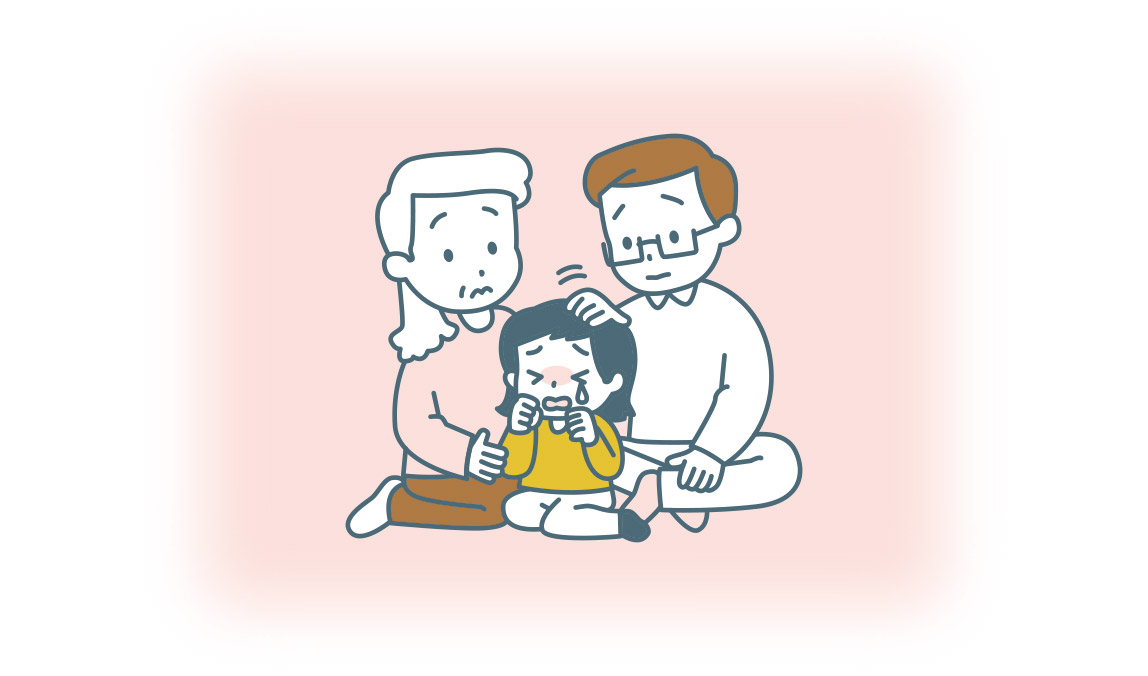
Let's turn our attention to the "environment".
I learned something from the results of this survey.
"Reluctance to go to school in the lower grades can happen to anyone. The cause can sometimes be a 'sudden change in environment'," he said.
If your child seems to be having trouble going to school, first, instead of thinking "there's something wrong with this child," try to consider "maybe the environment isn't a good fit" or "maybe the change was too sudden."
Sometimes, simply increasing the amount of time you can relax at home, or telling your child's teacher that they seem to be sensitive to noise, can make things easier.
Don't try to handle everything on your own.
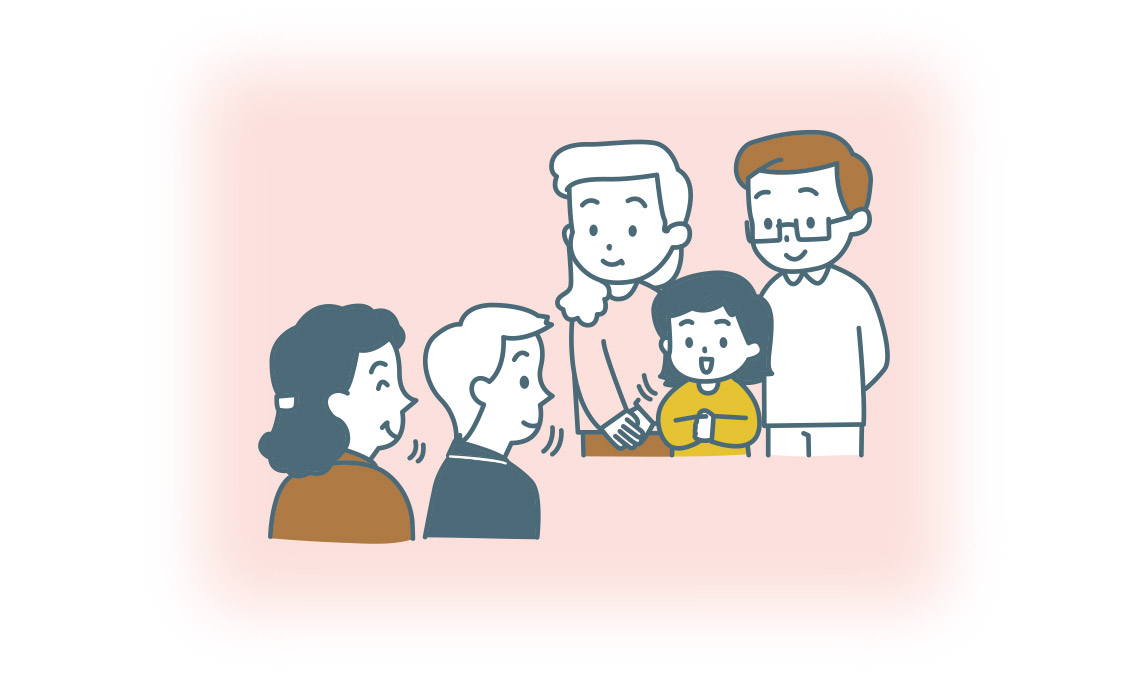
This survey is significant not only because it provides numbers, but also because it captures the heartfelt "voices" of children. These voices are SOS signals from children saying, "I want a safe place," and messages like, "I want to learn at a pace that suits me better."
Don't try to handle this alone as a parent; seek advice from support organizations such as school counselors.
There are many options to help bring back your child's smile. Let's work together to find an environment where your child can grow up in their own unique way.

NOTES
This "Survey on the Lowering Age of School Absenteeism" was conducted by the Tokyo Metropolitan Government in response to the significant increase in the number of first-grade elementary school students absent from school compared to before the COVID-1 pandemic, and the observed trend of younger children and students becoming absent from school. The survey aims to analyze the factors behind this trend and consider countermeasures. The survey results are available at the link below. Please take a look if you are interested.
summary version

The person who edited the article

Director/Chief Researcher
After working as a teacher at a special needs school for over 20 years, she obtained a doctorate in child development, specializing in issues such as child bullying and school refusal.