Event Reports
2026.3.30
Report on the lecture: "How to utilize free schools and other alternative schools with a view to the future of children who are not attending regular school"

In January and February 2026, a seminar titled "Seminar on Diverse Learning Opportunities and Safe Spaces Outside of School," aimed at parents of elementary and junior high school students who are not attending school, was held in the Tama area and the central Tokyo wards. This report will cover the events in two parts.
The event consisted of two parts: a "lecture" by experts on diverse learning environments and places outside of school, and a "joint information session" where participants could hear directly from businesses and other organizations.
In this first event report, we will cover the content of the lecture given by Professor Noriyuki Endo of the Faculty of Career Design at Hosei University, who spoke at the "Lecture Session" held in the local district, as well as the interview conducted after the lecture.
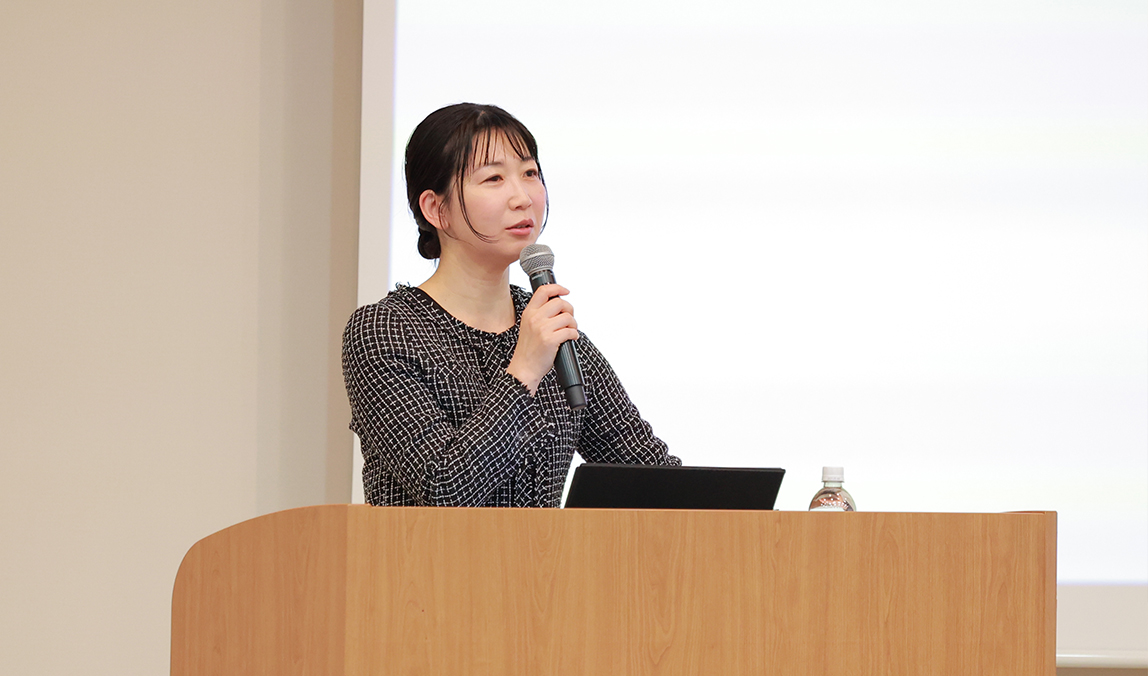
We spoke with Professor Endo on the topic of "How to Utilize Free Schools and Other Institutions with a View to the Future of Children Who Do Not Attend School," where he discussed how to view each child's challenges as opportunities for growth and how to utilize free schools and other institutions with a view to the future.
How should parents deal with a child who is not attending school?
Children are in the midst of a series of changes, and sometimes this can lead to emotional distress that prevents them from attending school. When we explore the reasons behind this, we find that there are truly diverse factors at play, and it becomes clear that it cannot be simply categorized as "school refusal."
Even when children are not attending school, every child desires to grow and be happy. And if we view school refusal as "emotional growing pains," then the fact that a child is expressing pain is actually a sign that they are trying to grow.
Please try to approach your child not only by trying to find the reasons why they stopped going to school, but also by trying to understand what they want to become in the future.
What should you keep in mind when trying to find out what your child wants to be in the future?
As parents, we tend to focus on the immediate anxieties, such as "my child isn't able to go to school right now" or "my child is falling behind in their studies," and it's very difficult to focus on the future. Similarly, children themselves are very concerned about the difficulties they are currently facing.
To think about the future, you need to have the capacity to do so. It's difficult, but please accept the difficulties and painful feelings your child is experiencing now. When your child feels that they have finished talking about this issue, they will be able to shift their perspective a little further ahead from the problem in front of them. The answer to "what your child wants to become in the future" lies within your child.
It can sometimes take a year or two before your child feels ready to talk. This is a difficult time for parents, but please be patient and wait for them.
What can be done to help children express their difficulties and painful feelings?
One thing I'd like you to keep in mind is that the greatest joy for a child is knowing their parents are on their side.
Many children refrain from expressing their feelings because they fear being scolded or upset by what they say. It's important to build a trusting relationship where they feel safe enough to say what they truly want to say. Many children lose confidence when they stop going to school, so please tell them, "It's okay, you're important just the way you are."
Furthermore, if a child has difficulty verbalizing their feelings on their own, it can be helpful to offer options and provide hints. However, if you simply state, "Isn't it A?", the child might think that what the parent says is the correct answer and lose sight of the real answer. It's important to maintain an attitude of only providing hints.
Children have the power to make themselves happy. I think it's good to have the mindset that parents don't need to provide their children with happiness.
What perspectives should be considered when choosing diverse learning environments and places to belong outside of school?
It's important to carefully consider what difficulties your child is currently facing. Since it's difficult for children to view themselves objectively, start by talking with your child about what the problem is.
Since it's the child who will actually be attending, it goes without saying that the top priority should be whether they want to go and whether they feel comfortable there. Furthermore, it's important to consider whether you can imagine your child growing up and leaving this place someday.
In addition, it's important that the place is comfortable for the parents as well. Sending your child to a place you don't feel comfortable in is stressful for parents. Since it may be a place you'll be involved with for a long time, I think it's important to prioritize the parents' feelings as well.
Please let me know if there are any things parents should be careful about when supporting their children.
It's difficult to know how long the difficulties at school will last, and the reality is that there's no end in sight.
Compared to public schools, free schools may be located far away or have high fees. Instead of forcing yourself to use them for a short period, consider whether you can use them consistently over the long term without physical or financial strain.
Also, based on my own experience, I would like to emphasize that parents should be careful not to let supporting their children become the sole reason for their own existence. If you become too focused on the idea that you are "doing things for them," you may feel hurt when your child doesn't appreciate you or when you don't receive recognition from those around you. For example, try changing your mindset by thinking, "It's okay if I don't do the pick-up and drop-off myself. Someone else can do it for me." I think it's important for parents not to overexert themselves, while relying on support from those around them and from the public and private sectors.
Finally, do you have a message for parents of children who are not attending school?
When I interact with university students who have experienced truancy, I often find their rich sensibilities and the way they live their lives questioning society to be truly beautiful.
As a parent, you may feel anxious and impatient, but your child is in the midst of growing up. The current difficult situation is neither your fault nor your child's fault. I hope you can view it as simply a matter of them not quite fitting in with the environment yet, and watch over them with a generous and understanding attitude.
We received the following messages from parents who attended the lecture:
- The child-centered perspective and the way parents should be involved were very clear and helpful.
- I could relate to it because it touched on things I feel on a daily basis and also connected to my own children.
- I gained hope for the future, knowing that I want to believe in and support my child.
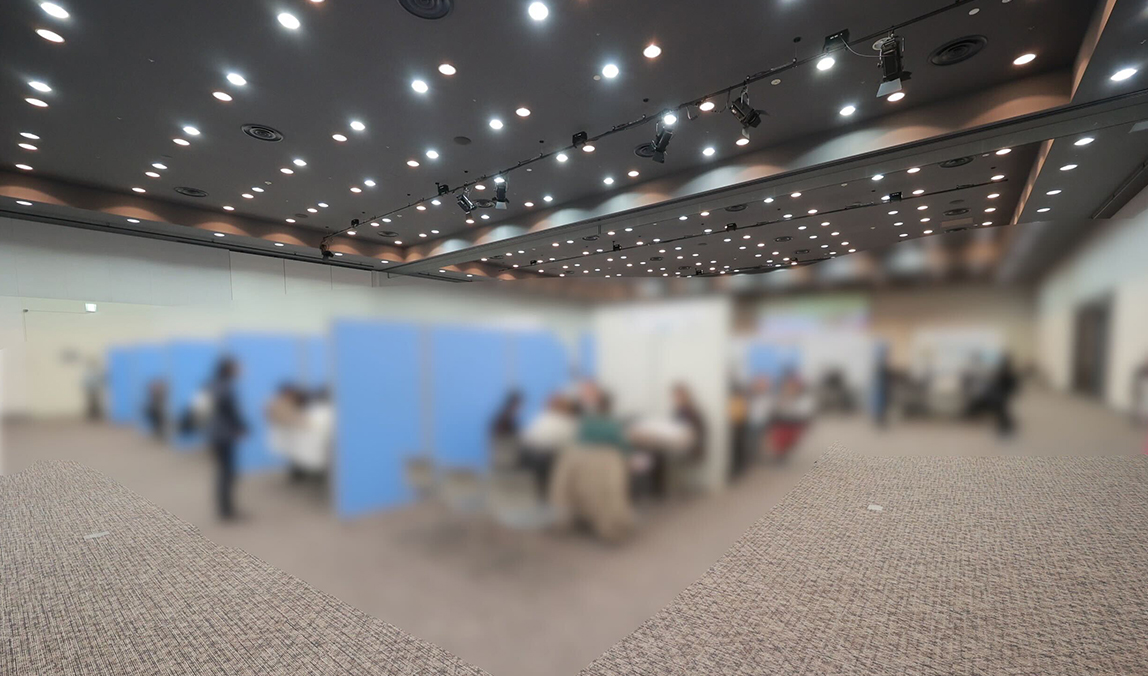
In the second part of the joint information session, many public support organizations and businesses such as free schools exhibited their products.
We received the following messages from participating parents:
- Being able to speak with them directly allowed me to learn more details than I could from their website or printed materials.
- In just one day, I was able to gather information on various learning spaces and places to belong, and compare their unique characteristics.
- It was great to be able to talk to them in person, ask questions, and get a feel for the atmosphere.
You can view footage of the event for free by registering via the link below.
There are many more stories that we couldn't include in this report, so please check them out.
Apply here (Link)