Event Reports
2026.3.30
Report on the lecture: "Key points for choosing a free school or similar institution that is sensitive to children's feelings"
In January and February 2026, a seminar titled "Seminar on Diverse Learning Opportunities and Safe Spaces Outside of School," aimed at parents of elementary and junior high school students who are not attending school, was held in the Tama area and the central Tokyo wards. This report will cover the events in two parts.
The event consisted of two parts: a "lecture" by experts on diverse learning environments and places outside of school, and a "joint information session" where participants could hear directly from businesses and other organizations.
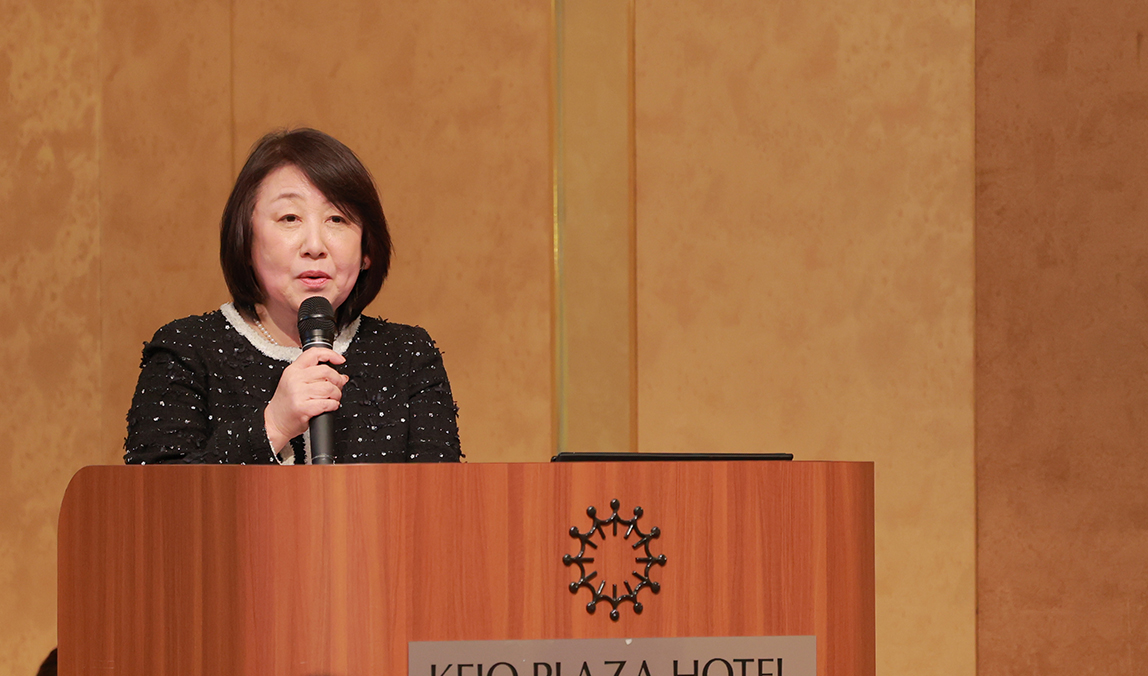
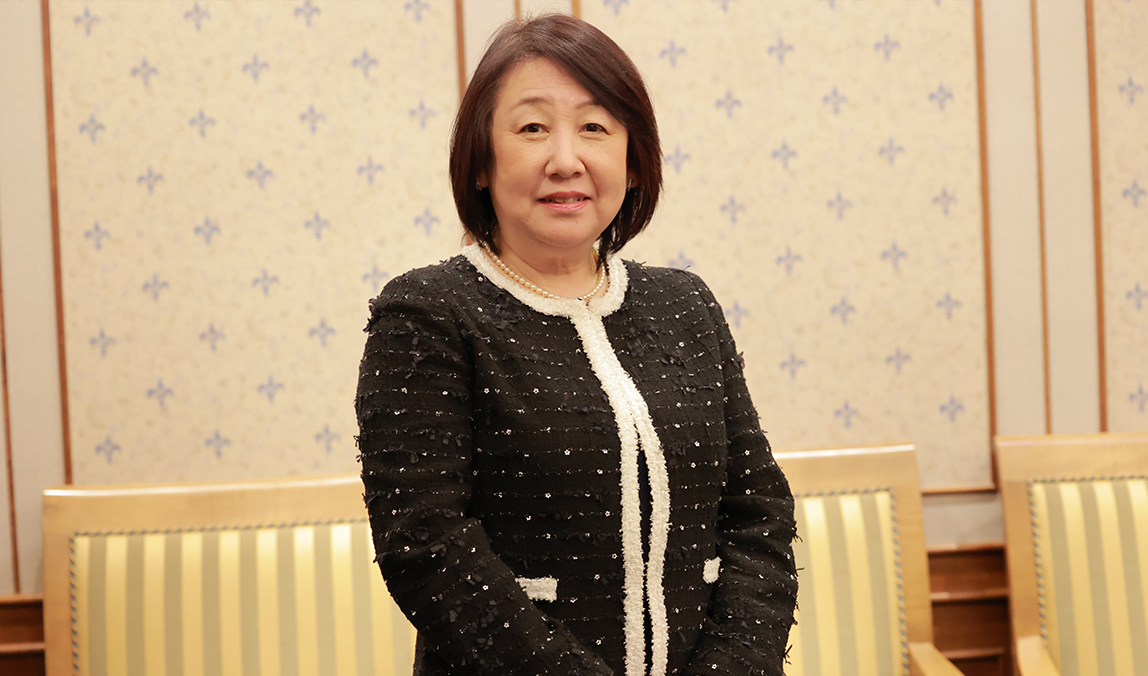
In this second event report, we will share the content of the lecture given by Professor Etsuko Ishikawa of Hosen University of Child Education, who spoke at the "Lecture Session" held in the Tama area, as well as an interview conducted after the lecture.
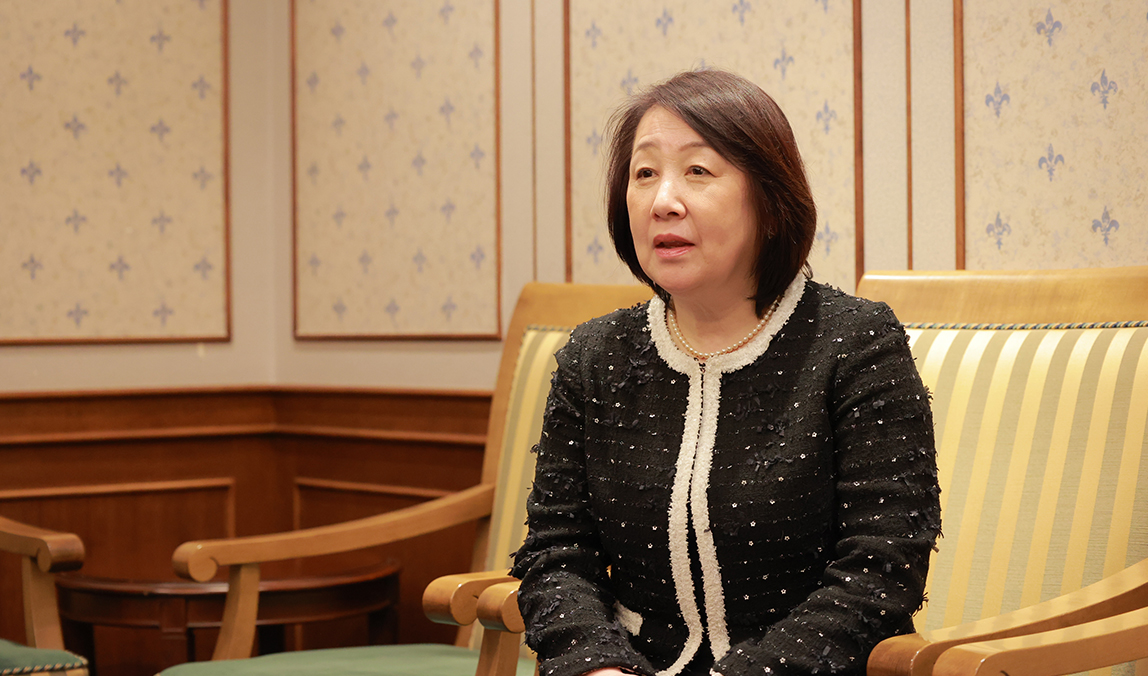
We spoke with Professor Ishikawa on the topic of "Key points for choosing a free school or similar institution that is sensitive to your child's feelings," discussing how parents should choose a place for their child to be while prioritizing their child's current feelings.
What kind of words should parents use to draw out their children's thoughts and feelings?
It's difficult for children to talk about themselves. Trying to force them to talk can cause them to withdraw into themselves. Therefore, it's important to create an atmosphere where they don't have to talk when they don't want to. However, to keep the conversation going, it's good to casually ask questions like, "What would you like to eat?" or talk about everyday things or the news. Then, wait for the child to start talking on their own.
There may be things that children can't talk about with their parents. In such cases, it's a good idea to ask the child, "Is there anyone you'd like to talk to?" from among the many people around them, such as their homeroom teacher or school counselor, allowing the child to choose who they want to talk to.
Many children feel guilty towards their parents. Please tell them, "It's okay to be yourself," and "Life has its ups and downs, so let's go through it together." Sometimes, this guilt isn't expressed in words, but simply through crying or rebellious behavior. It's difficult, but please try to accept that "this child is going through a tough time, they are suffering."
How should we decide when to connect our children with support organizations or alternative schools outside of regular school?
There are three stages to school refusal: the initial period of confusion, the energy replenishment period, and the recovery/reactivation period.
During the initial period of confusion, children may think "I have to go to school" but their bodies, through headaches, stomachaches, and other various ailments, are indicating "I don't want to go," creating a state of confusion where things don't quite mesh within them. Parents, who are close by, may also be troubled by thoughts like "What's wrong?" and "What should I do?" In such times, instead of dismissing what the child is saying or the symptoms they are experiencing, it's important to be supportive and think things through together. It's important to convey the feeling that "It's okay to be the way you are," and to first and foremost, to make the home a safe and secure place for them.
The energy-replenishment phase is a time when physical and mental activity decreases, and the person may appear quiet, sleeping a lot or being reluctant to go outside. This is a good time to gradually communicate with them. For example, you can ask them what they want to eat, or ask them to bring their bowl to the table—just small everyday interactions are fine. If conversation is difficult, you can also try other communication methods such as having them write down what they want to eat on a piece of paper or communicating via LINE.
As they spend time like this, their energy will gradually recover, and there will come a point where they start to think, "Maybe this is okay," or "Maybe I should go shopping." This is the recovery period. At this point, it's a good idea to suggest, "Why don't we ask a professional for advice?" or "It seems there are places where you can learn at your own pace." Knowing that there may be places for them outside of school and home will broaden their horizons.
What are some key points to consider when choosing a suitable learning environment or place for your child?
The most important thing is that the child feels comfortable there.
Every child has different needs and personalities. Some children feel more comfortable in places that prioritize learning support, while others prefer to learn at their own pace. Public support programs and alternative schools also have their own unique characteristics.
Try inviting your child by saying something like, "There's an experiential learning activity, would you like to go?" or "You can create your own program for how to spend your time," and then check how they feel. If they try one place and it doesn't suit them, you can change it. I recommend taking your time to choose a place where your child can be themselves.
During your lecture, you also mentioned the importance of supporting parents themselves. As a school counselor, are there any memorable episodes you've experienced?
This is a story about a parent I know. She was blaming herself, wondering if she had done something wrong in raising her child. I told her, "Don't blame yourself so much, let's think together about what to do from here," and continued the conversation while sharing my own experiences raising children. Gradually, she began to confide her current feelings and past feelings, and she slowly calmed down and became more composed. She said that she felt a little relieved after she made up her mind that "I will always watch over my child and do what I can to help, no matter what kind of life they choose to live from now on." Her child's school refusal continued for a long time, but by the time they were in high school, they had chosen their own path, saying, "I want to work in a job related to animals."
Please don't try to handle this alone. I highly recommend consulting with a school counselor or a local education center. Receiving advice from a different perspective than that of your school teachers may give you new insights.
Please provide a message for parents who are feeling anxious about what the future holds.
You may not feel positive right now, but I want to tell you that "there is always an exit at the end of the tunnel." Children who are not attending school are also desperately trying to navigate life, and although it may not be exactly as their parents envisioned, they will surely find their answers. There is only a little that parents can do, so I think it's important to watch over them without rushing.
We received the following messages from parents who attended the lecture:
- I found many things to relate to, such as the children's behavior, and it allowed me to see myself objectively.
- Your words spoke for both parents and children, and they gave me valuable insight into how to approach this situation going forward.
- I was particularly struck by the point that choosing a place that meets a child's needs is crucial when selecting a safe and comfortable environment.

In the second part of the joint information session, many public support organizations and businesses such as free schools exhibited their products.
We received the following messages from participating parents:
- It was helpful to learn about the unique features and atmosphere that you can't get from just looking at the website.
- It was great to be able to compare and consider information on multiple learning spaces and places to belong in a short amount of time.
- Being able to hear it directly made it easier to grasp the concept.
You can view footage of the event for free by registering via the link below.
There are many more stories that we couldn't include in this report, so please check them out.
Apply here (Link)